
Reflections
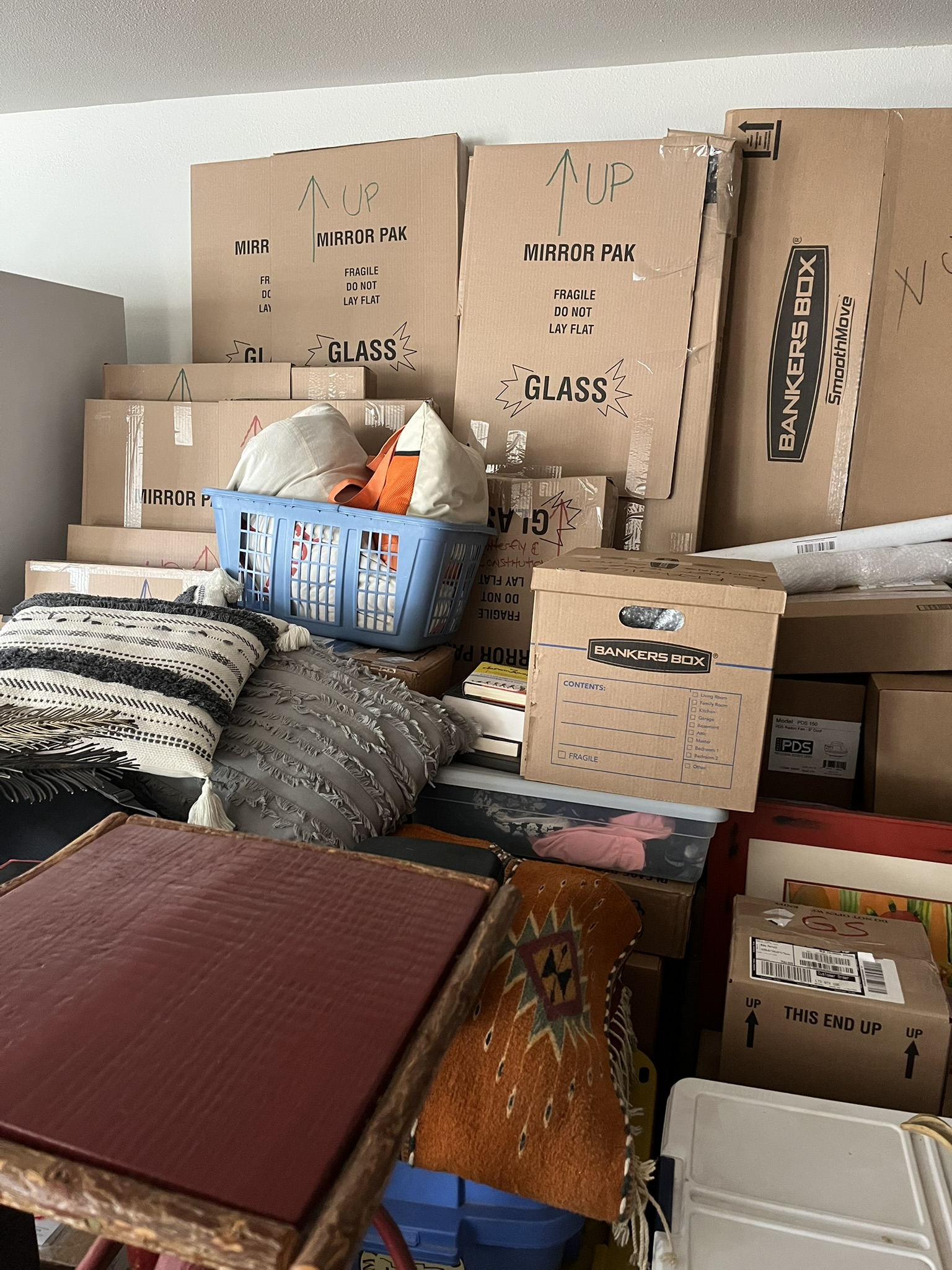
Just days remain before Mike and I leave our Colorado home of 20 years (25 total in the Pikes Peak Region) for our farm in Kentucky. This entire moving process has been incredibly exhausting, but in retrospect, Mike and I did a few things right.
• Debt Free: We entered this move with zero debt. Our mortgage had been paid off for years, we have no car payments, no student loans and pay our credit cards off each month. This allowed us a lot of financial freedom as we had a comfortable savings padding and no monthly debt obligations/payments.
• Less Stuff: Mike and I started pairing down our belongings about a year prior to putting our house on the market. We sold what we could, holding two yard sales and selling other things directly to friends and neighbors. We donated what was left that had value to reputable charities. Finally, we hired roll-off dumpsters to throw aways things of little or no value.
• Reasonable Upgrades: Over the last few years, we made some reasonable upgrades. By reasonable, I mean the quality of the updates were in line with the value of the home. A mid-grade kitchen upgrade, fresh backyard patio and firepit and a detached 3-car shop were items that we enjoyed for years while keeping the house up to date.
With these steps I place, we’ve often said out loud “Thank God we took care of that already!”
My Solution
There are numerous things, however, that we didn’t do and wish that we did. I’m outlining a few things that we would do in the future if we were moving again. Our next planned move will be when we’re too old and the farm is too much and we’re ready to seriously downsize to a small, low maintenance space with some old age support. But we’re not there yet. Here, I’m engineering a more ideal move.
1. Take four weeks off work
Four weeks off work sounds like a lot, but it looks like this: Two weeks before the move, a week for the actual relocation and a week to get settled in our new space. Once we’re retired, there’s no need to take off actual employed work, but I would still abstain from any other type of obligation, including volunteer work, to focus time and energy on the move.
2. Have $100,000 on hand dedicated to the move
This money is above and beyond any downpayment on the new home. This number may sound steep, but add up inspections, closing costs, moving vans, trailering our tractor and other homesteading equipment, hotels/meals/gas while in transit and anyone might already have sticker shock. Now add in preparing the old home for sale, addressing buyer inspection objections and then getting the new home in move-in shape, and this number doesn’t seem so ridiculous.
3. Conduct a pre-sale inspection
Six to nine months prior to putting a home on the market, we will spend a few hundred bucks and have a complete home inspection. Over time, quirks may develop in the electrical and plumbing systems of the home. We thought we took pretty good care of our place, but 4,400 square feet of home, 6 garage spaces and 5 acres with outbuildings on a well presented plenty of opportunities for things to be less than perfect over time. Next time, we’ll have some runway to identify and fix gremlins lurking in our current home.
Key Takeaways
The solution outlined above is OUR flavor of an ideal move. The scale of your solution may vary. You may only take a few days off of work or a six month sabbatical (or perhaps you don’t work at all). One hundred thousand dollars to you may be a fortune or a pittance. Perhaps you think running your own seller’s inspection is just silly. (Though, seriously, they cost a few hundred dollars and it’s worth every penny to be prepared.) If you have a major move pending in the coming months or years, I hope that these ideas are helpful to make for a smoother, lower-stress relocation.